4 layer Twisted Twill Cotton Blend Fabric > 200gsm for Clothing
CN → US| HS Code | Tariff Rate | Origin | Destination | Doc |
|---|---|---|---|---|
| 5514120020 | 49.9% | CN | US | Official Doc |
| 5514220020 | 49.9% | CN | US | Official Doc |
| 5209520020 | 43.4% | CN | US | Official Doc |
| 5209430030 | 43.4% | CN | US | Official Doc |
Product Images
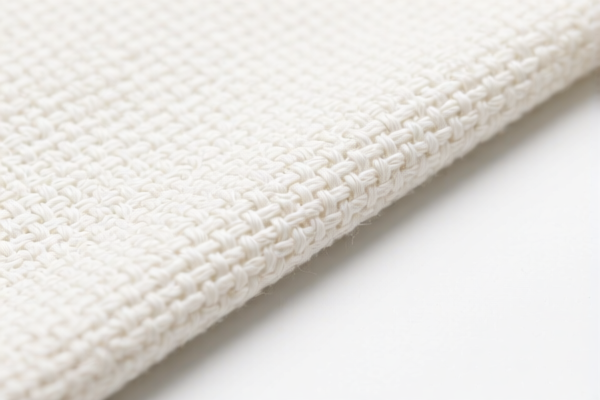
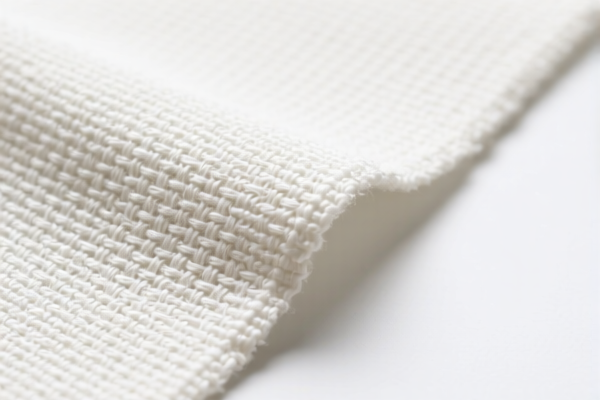
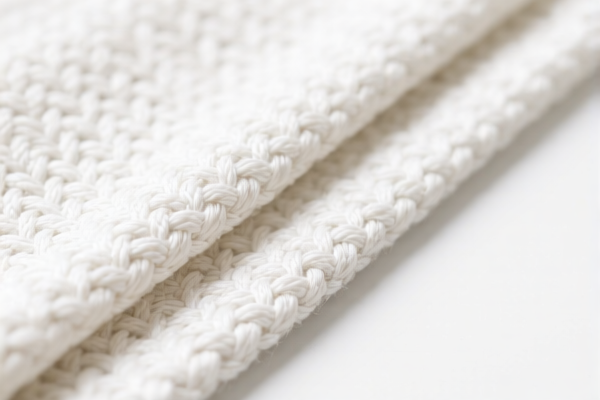
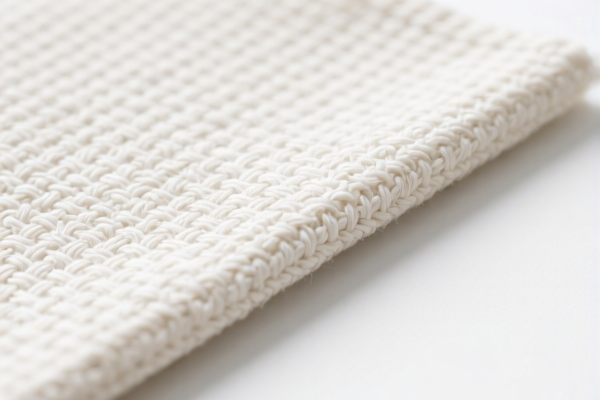
AI Analysis
🧵 Cotton Blend Twisted Twill Fabric (>200gsm)
🌐 HS Code Reference & Customs Clearance Guide | 2026 Latest Tariff Analysis | Professional-Level Strategy
📌 I. Product Definition & Classification: Do You Really Understand “Cotton Blend Twill”?
Cotton Blend Twisted Twill Fabric is a versatile textile material widely used in apparel (jeans, jackets, workwear, trousers). In international trade, it is classified based on three core attributes:
1. Material Composition: Cotton Blend (usually implies significant cotton content, often >85% for specific cotton codes, or synthetic/cotton mix for wool/synthetic codes).
2. Weave Structure: Twill (diagonal rib pattern), specifically 4-thread Twisted Twill (4 Thread Twill).
3. Weight: >200 g/m² (Heavyweight, qualifying for specific “>170g/m²” or “>200g/m²” thresholds in certain tariff lines).
⚠️ Key Distinction:
- If the fabric is primarily cotton (typically >85% cotton by weight) and meets the weight/threshold criteria → It falls under Chapter 52 (Cotton).
- If the fabric is a blended fabric with synthetic fibers or does not meet the strict “pure cotton” threshold but fits the description of synthetic/cotton blends in Chapter 55 → It falls under Chapter 55 (Synthetic Fibers).
- Note: The term “Cotton Blend” is ambiguous. Customs often requires explicit fiber composition percentages. However, based on the provided data, we analyze both possibilities.
📦 II. HS Code Classification Details (2026 Latest Tariff Authority对照)
Based on the provided data, here are the four matched HS Codes with their specific applicability:
| HS Code | Product Description | Applicability Criteria | Key Feature Match |
|---|---|---|---|
5514.12.00.20 |
Woven fabrics of synthetic staple fibers, mixed mainly or solely with cotton, weighing >170 g/m², twill weave | ✅ Match: Material = Cotton Blend (Synthetic/Cotton mix); Structure = Twill; Weight >200g/m² (>170g threshold); Threads = 4. | Synthetic staple fibers + Cotton mix, Twill, Heavyweight |
5514.22.00.20 |
Woven fabrics of synthetic staple fibers, mixed mainly or solely with cotton, weighing >170 g/m², twill weave, other than those of 5514.12 | ✅ Match: Similar to above but may apply if fiber composition or specific blend ratio differs slightly from 5514.12. Core features: Cotton Blend, Twill, >170g/m². | Synthetic/Cotton mix, Twill, Heavyweight |
5209.52.00.20 |
Woven fabrics of cotton, weighing >200 g/m², twill weave, bleached, dyed, printed, or otherwise finished | ✅ Match: Material = Cotton Blend (Inferred >85% Cotton); Structure = 4-Thread Twill; Weight >200g/m². | Pure Cotton (high %) or High-Cotton Blend, Twill, Heavyweight |
5209.43.00.30 |
Woven fabrics of cotton, weighing >200 g/m², twill weave, dyed or printed, interwoven | ✅ Match: Material = Cotton Blend; Structure = 4-Thread Twill; Weight >200g/m²; Interwoven feature. | Cotton/High-Cotton Blend, Twill, Heavyweight, Interwoven |
🔍 Critical Note:
- Chapter 52 (Codes 5209.52 / 5209.43) is generally preferred if the “Cotton Blend” contains >85% cotton.
- Chapter 55 (Codes 5514.12 / 5514.22) applies if the fabric is a mix of synthetic staple fibers and cotton (where cotton is <85% or the blend is classified as synthetic-dominated).
- All four codes match the physical description (Twill, >200gsm, 4-thread), but tariff rates differ significantly due to Chapter differences.
💰 III. 2026 Latest Tariff Rate Details (Including Surtaxes & Policy Add-ons)
✅ Applicable Country: United States (US)
✅ Country of Origin: China (CN)
✅ Effective Date: 2025年11月10日起 (From November 10, 2025, onwards)
🎯 1. Codes under Chapter 55: 5514.12.00.20 & 5514.22.00.20
(Applicable if Fabric is Synthetic/Cotton Blend, <85% Cotton)
| Item | Content |
|---|---|
| Base Tariff | 14.9% (ad valorem) |
| Section 301 Surtax | +25.0% |
| IEEPA Surtax (Section 122/301 Extension) | +10.0% |
| Total Tariff Rate | 49.9% |
| Tax Calculation | CIF Value × 49.9% |
| De Minimis Exemption | ❌ Not Eligible (deny_de_minimis) |
| Legal Basis Path | Base: 14.9% → USITC Footnote 301: 25% → IEEPA: 10% |
📌 Explanation:
- These fabrics are classified as synthetic-staple/cotton blends.
- The 49.9% rate is extremely high, driven by the 14.9% base + 25% Section 301 + 10% IEEPA surcharge.
- No de minimis exemption applies. All shipments, regardless of value, are subject to full tariff.
🎯 2. Codes under Chapter 52: 5209.52.00.20 & 5209.43.00.30
(Applicable if Fabric is Cotton >85% or meets Cotton-specific criteria)
| Item | Content |
|---|---|
| Base Tariff | 8.4% (ad valorem) |
| Section 301 Surtax | +25.0% |
| IEEPA Surtax (Section 122/301 Extension) | +10.0% |
| Total Tariff Rate | 43.4% |
| Tax Calculation | CIF Value × 43.4% |
| De Minimis Exemption | ❌ Not Eligible (deny_de_minimis) |
| Legal Basis Path | Base: 8.4% → USITC Footnote 301: 25% → IEEPA: 10% |
📌 Explanation:
- These fabrics are classified as Cotton Woven Fabrics.
- The base tariff is lower (8.4% vs 14.9%), resulting in a lower total rate of 43.4%.
- Still no de minimis exemption. All shipments are taxed.
- Savings Potential: If your “Cotton Blend” can be legally defined as >85% cotton, you save 6.5% on the total duty burden (49.9% → 43.4%).
🛠️ IV. Customs Clearance Practical Advice (Avoiding Pitfalls)
✅ 1. Essential Documentation Checklist
| Document | Required? | Explanation |
|---|---|---|
| ✅ Fiber Composition Certificate | ✔️ Critical | Must specify exact % of Cotton, Polyester, etc. to determine Chapter 52 vs. 55. |
| ✅ Fabric Specification Sheet | ✔️ Critical | Include: Weight (g/m²), Weave Type (Twill, 4-thread), Finish (Bleached/Dyed/Printed). |
| ✅ Product Photos | ✔️ Critical | Clear images showing the twill diagonal pattern and label. |
| ✅ Commercial Invoice | ✔️ Mandatory | Describe as “Woven Cotton Blend Twill Fabric, >200gsm” with precise HS Code. |
| ✅ Packing List | ✔️ Mandatory | Total weight, dimensions, and number of rolls/bales. |
| ✅ Origin Certificate | ✔️ Recommended | If shipped from China, confirms CN origin for surtax application. |
✅ 2. Declaration Strategy (Key Mnemonic)
🔥 “Weight over 200, Twill visible, Cotton %, Chapter decides!”
| Scenario | Correct HS Code | Consequence of Error |
|---|---|---|
| Cotton >85% + Twill + >200gsm | 5209.52.00.20 or 5209.43.00.30 |
Error: Using Chapter 55 → Higher Tax (49.9%) |
| Synthetic/Cotton Mix <85% Cotton + Twill + >170gsm | 5514.12.00.20 or 5514.22.00.20 |
Error: Using Chapter 52 → Misclassification, Penalty |
| Weight <170gsm | Different Subheading (e.g., <170gsm rates may differ) | Error: Declaring >200gsm when <170gsm → Underpayment, Audit |
✅ 3. Special Considerations
| Situation | Handling Advice |
|---|---|
| “Cotton Blend” Ambiguity | Provide a detailed fiber content breakdown (e.g., 80% Cotton, 20% Polyester). If cotton is <85%, Chapter 55 is safer. If >85%, Chapter 52 may apply. |
| Interwoven vs. Twill | If the fabric is “Interwoven” but not strictly twill, ensure the description matches the HS Code definition. 5209.43.00.30 mentions “Interwoven,” which may be a specific sub-category. |
| De Minimis (Section 321) | ❌ NOT APPLICABLE. All these codes are subject to Section 301/IEEPA surtaxes, which deny de minimis exemption. Even small shipments (under $800) will incur taxes. |
| Labeling | Ensure each roll/bale is labeled with: Fiber Content, Weight (g/m²), Width, and Length. |
🌍 V. Global Market Comparison (2026 Latest)
| Country/Region | Recommended HS Code | Estimated Tariff (CN Origin) | Certification | Remarks |
|---|---|---|---|---|
| 🇺🇸 USA | 5209.52.00.20 / 5514.12.00.20 |
43.4% (Cotton) or 49.9% (Synthetic Mix) | None required for fabric | High surtaxes apply. No de minimis. |
| 🇨🇳 China | 5209.52.00.20 / 5514.12.00.20 |
~8-14% (Base Rate) | None | No Section 301/IEEPA surtaxes. |
| 🇪🇺 EU | 5209.52.00.00 / 5514.12.00.00 |
~12-16% (Most Favored Nation) | REACH Compliance | No US-style surtaxes. |
| 🇬🇧 UK | 5209.52.00.00 / 5514.12.00.00 |
~12-16% | UKCA/REACH | Post-Brexit rules apply. |
📌 Conclusion:
- USA is the most challenging market due to 43.4%-49.9% effective tariffs.
- Cost Optimization: If possible, verify if the fabric can be classified under Chapter 52 (Cotton) to save 6.5% in tariffs.
- Alternative Markets: Consider exporting to EU or Asia for lower tariffs, then re-export or process further.
📌 VI. Common Errors & Pitfalls (Lessons Learned)
❌ Error 1: Assuming “Cotton Blend” automatically means Chapter 52
👉 Consequence: If cotton is <85%, customs will reclassify to Chapter 55, applying 49.9% tariff + penalties.
❌ Error 2: Ignoring Weight Thresholds
👉 Consequence: If fabric is 160gsm, using >200gsm HS codes leads to misdeclaration. Different subheadings may have different base rates.
❌ Error 3: Expecting De Minimis Exemption
👉 Consequence: Small B2B shipments under $800 are still taxed due to Section 301/IEEPA. Do not use “low value” to bypass customs.
❌ Error 4: Vague Product Description
👉 Consequence: “Cotton Fabric” is insufficient. Must specify “Twill Weave, 4-Thread, >200gsm, Cotton Blend [X% Cotton]”.
✅ Correct Approach:
“Woven Fabric, Twill Weave, 4-Thread, Weight: 210 g/m², Fiber: 80% Cotton / 20% Polyester, Dyed, for Apparel Use”
🎯 VII. Conclusion: Professional Declaration, Cost Control, Efficiency!
🎯 Remember the Mnemonic:
🔹 “Cotton >85%? Chapter 52 saves 6.5%!”
🔹 “Twill >200gsm? No De Minimis! Tax Full Value!”
🔹 “Synthetic Mix? Chapter 55 pays 49.9%!”
📌 Pro Tip:
- Apply for a Binding Tariff Information (BTI) or Advance Ruling from US Customs and Border Protection (CBP) if your volume is high. This provides legal certainty on HS Code classification.
- Negotiate Incoterms: Since tariffs are high, consider DDP (Delivered Duty Paid) with pre-paid tariffs to avoid surprise costs at destination.
📣 Immediate Action:
📞 Contact a licensed customs broker + Provide fiber composition report + Verify twill structure
🚀 Ensure accurate HS Code declaration to minimize tariff burden and avoid customs holds!
✨ Professional Customs Clearance Begins with Precise Classification!
💼 Every percentage point of tariff matters—optimize your supply chain today!
Customer Reviews
About HS Code Classification
The Harmonized System (HS) is an internationally standardized nomenclature developed by the World Customs Organization (WCO) to classify traded products. Over 200 countries use the HS system as the basis for customs tariffs, trade statistics, and import/export regulations.
Each HS code follows a hierarchical structure:
- Chapter (2 digits) — Broad category of goods (e.g., Chapter 84: Machinery and Mechanical Appliances)
- Heading (4 digits) — More specific grouping within the chapter
- Subheading (6 digits) — Internationally standardized breakdown, used by all WCO member countries
- National subdivisions (8-10 digits) — Country-specific extensions for further classification, such as US HTSUS 10-digit codes
Correct HS code classification is essential for smooth customs clearance, accurate duty payment, and compliance with trade regulations. Misclassification can lead to customs delays, overpayment of duties, or penalties.
When importing from CN to US, the applicable tariff rates may include:
- Most-Favored-Nation (MFN) rate — The standard duty rate applied to WTO members
- General rate — Applied to countries without trade agreements
- Trade remedy duties — Additional tariffs such as Section 301 (anti-dumping), Section 232 (national security), or countervailing duties
The information provided on this page is for reference purposes only. For official classification, please consult with your local customs authority or a licensed customs broker.